


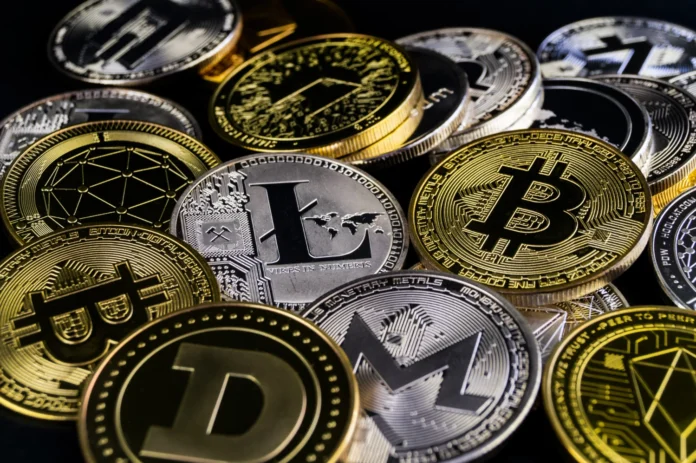
Blockchain technology in healthcare is rapidly becoming a potent force, considered capable of revolutionizing the handling of patient data, medical research, and insurance claims. Medical tech firms across the globe are exploring the immense potential of blockchain to enhance transparency, security, and efficiency within the healthcare industry.
Understanding blockchain in healthcare
Blockchain, the technology underpinning cryptocurrencies like Bitcoin, is essentially a decentralized ledger. In healthcare, it promises to offer unparalleled levels of data integrity due to its immutable nature. Each block in a blockchain contains a distinct set of data and is linked to the previous block, forming a secure chain of information. But why is this significant for healthcare?
Consider patient records. Current systems are fragmented, residing in various silos, which makes data sharing a nightmare. Blockchain can act as a single source of truth, allowing healthcare providers to access up-to-date patient data while maintaining robust security protocols. It’s like having a lockbox with a perfect key, only those with permission can peek inside.
Potential benefits for medical research
The possibilities blockchain presents for medical research are nothing short of groundbreaking. Data sharing hurdles, that once impeded advancements, may crumble down. Imagine a world where researchers gain access to vast pools of anonymous yet authenticated patient data. They could unlock new insights, accelerating the pace of discovery. According to research from Nature, blockchain’s distributed ledger approach could significantly enhance collaboration across institutions.
Breaking down barriers
With blockchain, patient consent can be smart and dynamic through smart contracts, programmable blockchain agreements, enable patients to control who sees their data and when. This ensures privacy while fostering collaboration among researchers. Who knew something so high-tech could feel so human-centric?
Healthcare supply chain transparency
Beyond data management, blockchain offers immense potential in enhancing the transparency of the healthcare supply chain. From drug manufacturing to distribution, maintaining a clear lineage ensures the authenticity and safety of medicines. Counterfeit drugs, a significant global challenge, might just meet their match in blockchain. The World Health Organization estimates that counterfeit medicines pose serious risks to public health worldwide.
Blockchain can certify that drugs are genuine, tracking them from factory to pharmacy. It’s like giving medicines a digital passport with stamps at every checkpoint. Patients might soon trust their meds as much as their family recipes.
Challenges and considerations
Despite its promises, integrating blockchain into healthcare is no stroll in the park. Interoperability remains a pressing concern. Diverse systems, none the same, need to speak the blockchain language fluently. It requires a united effort from policymakers, tech firms, and medical practitioners to align standards. The U.S. Department of Health and Human Services has explored regulatory frameworks for blockchain adoption.
Moreover, there’s the matter of cost. Blockchain demands significant initial investments while promising long-term efficiency gains. The very technology that promises to simplify could initially complicate with its price tag. Will the long-term benefits outweigh the upfront costs? Only time, and perhaps a little innovation, will tell.
As medical tech firms continue to explore the untapped potential of blockchain, its integration in healthcare seems inevitable. It’s an era where patient data is not just secured; it’s empowered. Here’s to hoping this technological ally makes its way to healthcare’s core!