


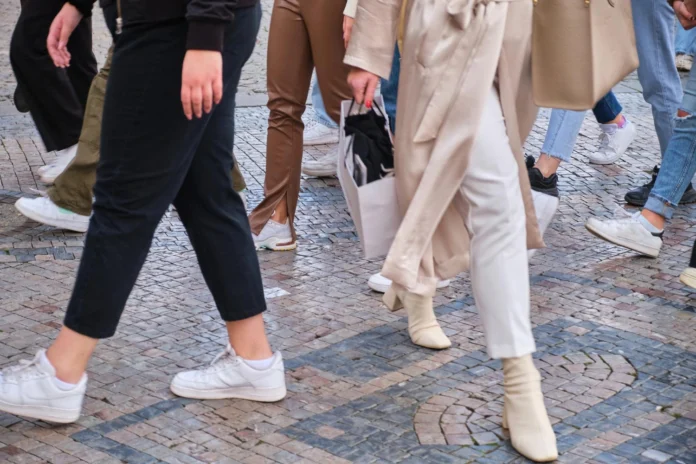
The downtown retail district is witnessing a significant resurgence. Recent data disclosed by the downtown retail association reveals that foot traffic has surged to unprecedented heights since the pandemic’s outbreak. This development has not only ignited optimism but also signifies a notable shift in consumer habits. Let’s dissect the factors contributing to this resurgence and explore its broader implications.
Revival of urban shopping landscapes
Contrary to earlier anxieties about the decline of urban centers, the return of crowds to downtown areas is a testament to the enduring appeal of physical shopping experiences. Traditional urban shopping districts, which faced a severe decline amid pandemic restrictions, are now buzzing with activity. This resurgence is not merely about nostalgia; it highlights the unique social and sensory experiences brick-and-mortar stores provide.
The potential of in-person shopping extends beyond simple transactions. Retailers are leveraging innovative platforms to enhance these experiences, incorporating augmented reality and personalized services to attract visitors. A study by the International Council of Shopping Centers underscores the importance of adapting to changing consumer expectations, which are now being fulfilled by blending physical and digital shopping elements.
The push from local businesses
Indispensable to the revival of downtown areas is the commitment from local entrepreneurs. Small businesses, many of which struggled for survival during the pandemic, are returning with fresh concepts and heightened resilience. Their agility in adapting product lines and promotional strategies has been vital in drawing consumers back to city centers.
Local businesses are often the first to adopt sustainable practices, painting the urban retail landscape green. As reported by the U.S. Small Business Administration, these initiatives do not only attract environmentally-conscious shoppers but also set a standard for sustainability in the industry. The resurgence of foot traffic supports these businesses, fostering a community-focused economic environment.
Community engagement
The renewed sense of community plays a pivotal role in attracting foot traffic. Markets, pop-up shops, and events have rekindled interactions among residents, drawing people to downtown areas. These gatherings, often facilitated by local governments and organizations, provide a sense of connection that was elusive during the height of the pandemic.
Implications for the future
While the recent spike in foot traffic is promising, its sustainability in the long run remains contingent on external factors like economic conditions. Nonetheless, the current momentum carried by downtown retail centers suggests that urban shopping landscapes are less likely to become relics of the past.
Patterns observed through this resurgence may offer valuable insights into urban planning and commercial strategies moving forward. As cities evolve, these insights will guide policymakers in designing spaces that cater to both community needs and consumer trends.
To further galvanize this growth, strategic partnerships between businesses and city planners are crucial. Initiatives like improving public transportation accessibility are vital in maintaining high levels of foot traffic. The National Association of City Transportation Officials underscores the role of efficient transport systems in supporting vibrant commercial zones.
The triumph of urban centers following a tough battle against prolonged solitude suggests a renaissance for city life. As the path to recovery gains momentum, it sets a precedent — shopping districts are not only back but better equipped to meet the complex demands of modern consumers.